To learn how to start a tufted rug business that actually profits, you must combine professional 3D carving with a high-ticket pricing strategy. By targeting luxury niches and automating your workflow, you can easily clear $200–$500+ in profit per rug in 2026.
While the casual DIY trend has slowed, the professional luxury market is surging; with the global tufted carpet market projected to grow at a 12%+ CAGR through 2034, the demand for bespoke, textured pieces is currently outstripping the supply of professional artists.
BETA LAUNCH DEAL: Before you spend a dime on yarn, grab the 2026 Tufting Business Starter Kit. It includes the Profit Architect Calculator, 50+ Brand Names, and the 10-Day Viral Calendar, plus a free $120 upgrade to the full Masterclass, for just $27.
This post contains affiliate links; I earn from qualifying purchases at no extra cost to you.
Why Is Rug Tufting Profitable Right Now?
The secret to profitability in 2026 is solving a design problem. Customers want custom, durable, high-quality pieces that function as art. Those who focus on “commodity” rugs struggle, while those who master “luxury” finishes thrive.
2026 Trends Driving Your Profit:
- Logo rugs: Businesses pay a 3x premium for branded office decor.
- 3D Wall Art: Sculpted pieces sell for 40% more than floor rugs.
- Sustainable Fibers: Using New Zealand wool allows you to charge “Heirloom” prices.
How much profit do you make per rug?
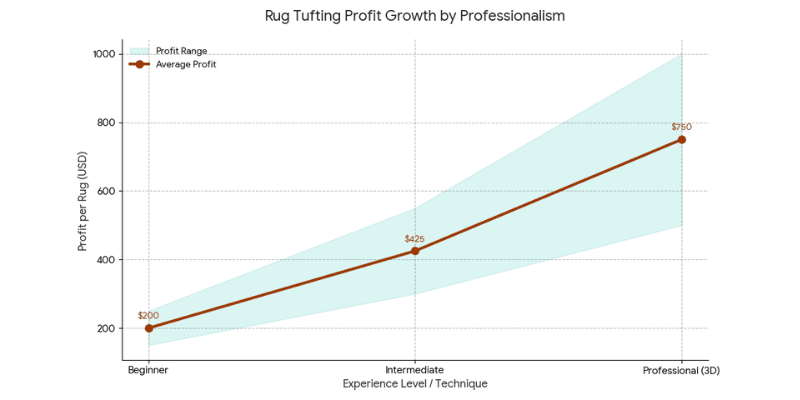
A standard 2×3 ft rug typically costs $40–$80 in materials and sells for $200–$500+.
- Beginner Profit: $150–$250 per rug.
- Professional Profit (3D Carved): $500–$1,000+ per rug. Using a dedicated calculator ensures you never undercharge for the “hidden” costs like adhesive and backing cloth.
Startup Costs: Realistic 2026 Breakdown
You don’t need a factory to start. A 5×5 corner in a spare room is enough to launch a brand that looks like a high-end atelier.
- Tufting Gun ($180–$350): The AK-I Cut Pile is the most reliable for business use.
- Frame & Cloth ($100–$200): Build your own frame to save $150; use Primary Tufting Cloth only.
- Finishing Tools ($150–$300): Professional carvers are the difference between a $100 and $500 rug.
Total: $500–$800 (Targeting 3 sales to reach “Break Even”).
While a professional setup costs between $500–$800, choosing the right components is critical to avoid mechanical failure. Check out my full deep-dive on The Best Tufting Tools & Materials of 2025 for a side-by-side comparison of the guns and adhesives I use daily.
How to Price Your Rugs for Maximum Profit
Undercharging is the #1 reason tufting businesses fail in their first year. To stay profitable, you must account for your “hidden” costs, adhesive, backing, and the hours spent carving, not just the yarn.
The Manual Rug Profit Calculator (2026 DIY Formula)
If you want to calculate your profit by hand, use this baseline formula to ensure you aren’t working for free:
(Total Quote) – (Material Costs + Shipping + 15% Overhead) = Your Take-Home Profit
- Step 1: Calculate your Sq Ft (Length x Width).
- Step 2: Multiply by your base rate (e.g., $50/sq ft).
- Step 3: Subtract $40–$80 for yarn, glue, and backing.
- Step 4: Subtract shipping costs
- Rush Fee: +20% for 1-week turnaround.
The Problem with Manual Math: While this works for simple shapes, it often misses the “hidden” drain on your margins, like the 3+ hours spent carving or the cost of specialized adhesive.
Stop guessing. My automated calculator (included in the Beta Kit) factors in every gram of yarn and every minute of carving time so you can quote with 100% confidence.
Finding Customers and Marketing Your Brand
In 2026, the “Authenticity Multiplier” is your greatest asset; showing your mistakes and the messy process of carving builds more trust than a polished final photo.
How do I get my first tufting customers?
The fastest way to get customers is by posting “Process ASMR” videos on TikTok and Instagram Reels, gifting logo rugs to local influencers, and optimizing an Etsy shop using tools like eRank. However, to avoid the 20-30% Etsy “tax,” you should eventually move toward your own site using a platform like Hostinger.
- Social Media: Gun ASMR and “The Reveal” clips consistently go viral.
- Influencer Seeding: One post from a local business owner can result in 5+ orders.
- eRank SEO: Target specific niches (e.g., “Custom Pet Portrait Rug”) rather than generic terms.
Packaging & Shipping Logistics
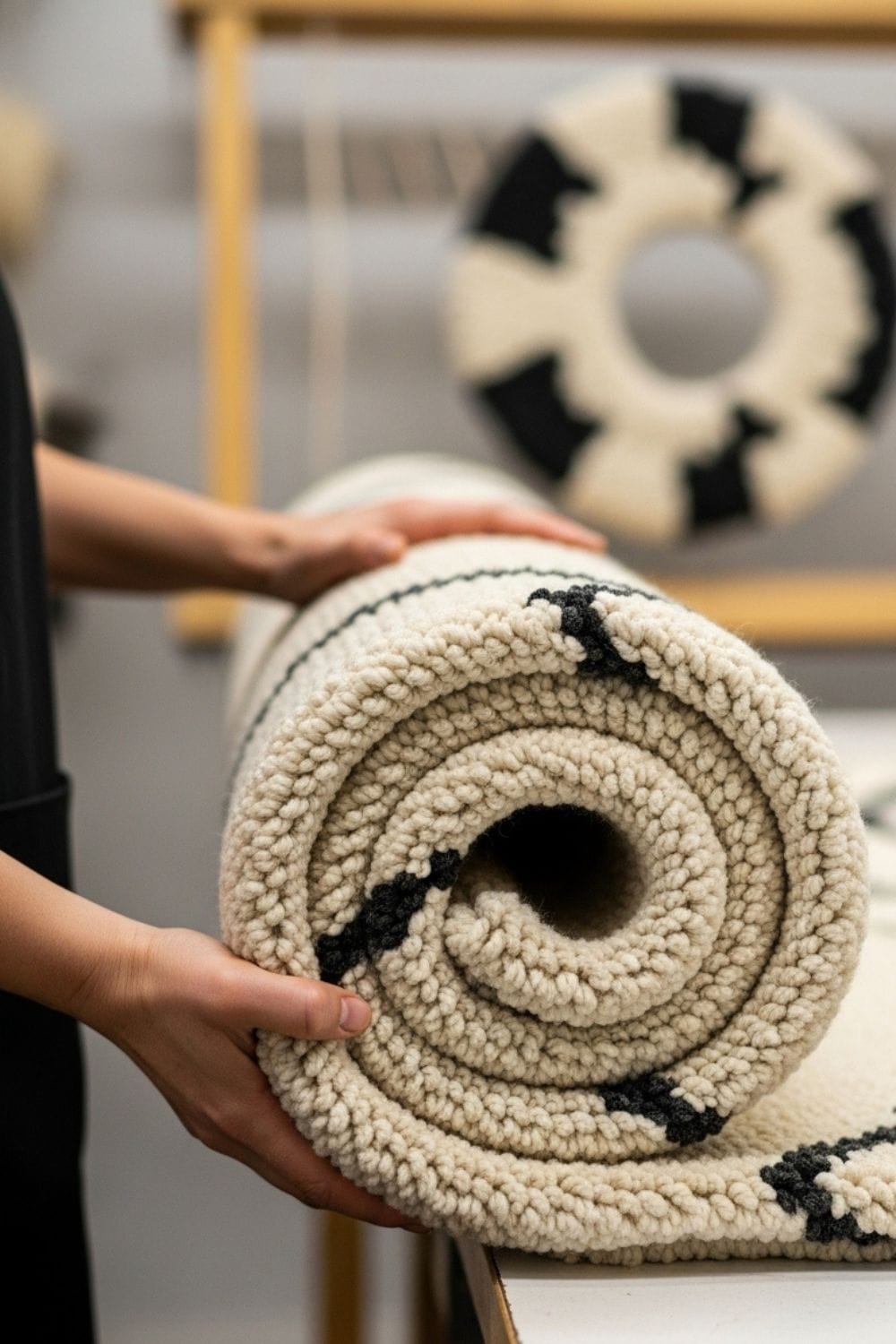
- Cinnamon Roll: Roll tight (pile in), tie, use lamp box.
- Rhody Wrap: Bubble + Saran for waterproof.
- Pirate Ship: Use this for the best shipping discounts.
Viral growth is triggered by a ‘Micro-Commitment’ in the first 3 seconds of a scroll. This blueprint uses the Module 6 Pacing Strategy to turn casual viewers into dedicated students.
(Use for TikTok / Instagram Reels – 15–30 seconds each. Post daily. Best times: 7–9 PM EST for US audience.)

FAQ: How to Start a Tufted Rug Business
The “beginner” market (basic shapes) is crowded, but the “Professional/Luxury” niche is underserved. Adding advanced 3D carving techniques sets you apart from 90% of other creators.
Yes. Most pros use a projector to trace designs onto the cloth, allowing you to create perfect replicas of logos and complex art without freehand drawing skills.
While acrylic is fine for wall art, you must use wool or wool-blends for floor rugs to ensure the durability required for “high-end” pricing and positive reviews.
You can start as a hobbyist, but as you scale toward $1,000/month, forming a US LLC (as detailed in my business strategy) protects your assets and adds professional weight to your brand.
Start Your Tufting Business Today
Tufting in 2026 rewards craftsmanship over quantity. The demand for unique, tactile decor is rising, now is the time to invest in your tools, learn pro methods, and build your portfolio.
Pro Tip: Don’t undercharge, use a calculator to nail pricing. Get my $27 Beta Starter Kit (includes Profit Architect Calculator, 50+ names, care templates, 10-day content calendar + free $97 upgrade coming).
While a professional setup costs between $500–$800, choosing the right components is critical to avoid mechanical failure. Check out my full deep-dive on The Best Tufting Tools & Materials of 2025 for a side-by-side comparison of the guns and adhesives I use daily.
To ensure your custom piece fits your client’s space perfectly, use this Rug Size for Room Calculator over at By Stacie Leigh. This helps you upsell larger dimensions for living rooms and bedrooms based on professional interior design standards.
Share this guide: #RugTuftingHub #Tufting #RugTufting #TuftingBusiness #DIYRugs #CustomRugs #TuftedRug #EtsySeller #SideHustle2026 #HandmadeDecor #CraftBusiness #TuftingArt #HomeDecor #ArtisanRugs